

How to Choose the Right Chisels
If you’re serious about woodworking, your chisels are your knives — precision, durability, and comfort matter more than fancy handles or shiny blades. Cheap import chisels from the hardware store often become dull faster than you can sharpen them, and they’re a waste of time. Invest in the right set, and you’ll save yourself frustration, ruined workpieces, and endless sharpening battles. Trust me, choosing the right chisels isn’t rocket science, but it does require knowing what to look for—and what to avoid.
Our Top Picks
Affiliate disclosure: if you buy through these links, we may earn a commission at no extra cost to you.


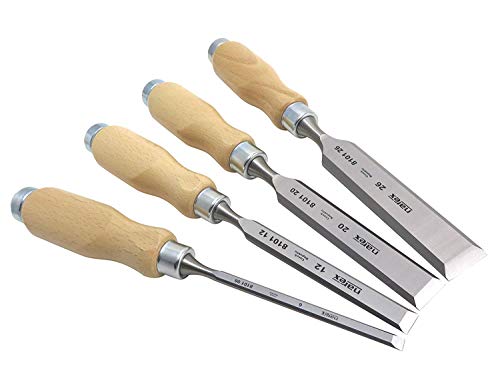
Here’s the truth: the right chisel can last a lifetime if you pick well, maintain them properly, and use them for what they're designed. Whether you’re chopping mortises, cleaning up tenons, or fine-tuning a dovetail, tools make all the difference. Let’s walk through how to select the best chisels for your shop, no fluff, no gimmicks.
Narex 6 pc Set 6 mm (1/4), 10 (3/8), 12 (1/2), 16 (5/8), 20 (13/16), 26 (1-1/16) Woodworking Chisels in Wooden Presentation Box 853053
$114.0Check PriceTable of Contents
Types of Chisels
Start by understanding there are three main categories: bench chisels, mortise chisels, and specialty carving chisels. Bench chisels are your everyday workhorses—good for general work, fitting joints, and cleaning out mortises. Mortise chisels are stout, with thick blades designed to endure lateral stress when chopping deep, tight mortises. Carving chisels and gouges are for fine detail work—don’t buy these as your primary set unless you’re into carving or inlay work.
For most hobbyists and semi-pros, a quality set of bench chisels with a good range of sizes (say, ¼", ½", 1", 1¼", and 1½") covers 85% of tasks. Remember, the key is versatility and quality—don’t chase every specialty chisel unless it’s your specialty.
Material Quality
Your chisel blades are only as good as the steel they're made from. I favor high-grade tool steels like chrome-vanadium or high-carbon steels that maintain an edge longer. Cheap stamped steel blades dull quickly, and their edges are difficult to resharpen without specialized tools. Look for blades that are induction-hardened — you'll get that sweet balance of edge retention and ease of sharpening.
Blade thickness matters too; a thicker blade resists bending when chopping and provides more stability. A well-made chisel will have a sturdy blade that tapers gradually to a sharp point. Forged blades tend to be superior to cast or stamped — they’re more durable and hold an edge longer.
Blade Sharpness & Edge Holding
A chisel’s performance hinges on how sharp its edge stays. Good blades are beveled precisely, typically at 25°, with a micro-bevel to refine the cutting edge. High-quality chisels come honed and ready to work, but honesty here: you should always plan on sharpening regularly. Cheap chisels become dull within minutes of use, especially on hard, figured, or dense woods.
Diamond stones or fine water stones (up to 8,000 grit) are your best friends for honing. Maintain a consistent bevel angle and regularly strop the edge to keep it keen. The more you sharpen, the better you get at it—and better tools cut better, longer. Remember, dull tools cause tear-out and rough work, so invest in your sharpening gear as much as the chisels themselves.
Handle Comfort & Design
Hardware-store plastic handles are fine for a snapshot of a project, but good handles matter over the long haul. Choose chisels with comfortable, well-shaped handles—preferably hardwood with a smooth feel, not just slick lacquered surfaces that slide in your hand. The handle should also seat securely on the blade tang—loose handles are dangerous and disastrous in use.
Ergonomics are key: a chisel that fits your grip reduces fatigue when doing repetitive mortising or paring. Look for handles with enough length for control but not so bulky that precision suffers. I prefer traditional tapered handles over those stubby, rose-tinted toys from the box stores; they give better leverage and control.
Budget vs. Investment
Don’t buy junk—period. A decent set of high-quality chisels costs more upfront, but they’re worth every penny. Cheap chisels stay dull, get battered, and force you to buy replacements regularly. Over time, the cheap set is more expensive than a single high-end chisel you buy once and keep sharp for decades.
My advice: aim for brands like Veritas, Narex, or Lie-Nielsen—these are built to last. They may cost more but will give you far better performance and satisfaction. If money’s tight, pick a smaller set of top-tier individual pieces over a wide collection of disposable tools. Be patient, and buy quality—you’ll thank yourself in the long run.
Maintenance & Durability
Proper storage, regular honing, and careful use are the keys to extending your chisels’ life. Keep them clean and dry; oil the blades if they won’t be used for a while. Never jam them in steel racks that can ding blades or chip handles. Invest in a good honing guide, sharpening stone, and a strop, and hone your tools before every project.
Replacing handles is straightforward if needed, but avoid the temptation to upgrade handles without a solid head on the blade. The steel is what matters—that’s the core of your precision work. Treat your chisels like the fine instruments they are, and they’ll reward you with perfect cuts for a lifetime.
Frequently Asked Questions
How do I know if a chisel is high-quality?
Check the steel type—look for high-carbon or chrome-vanadium. Feel the handle—solid hardwood handles are preferable. Examine the edge with a magnifier; a clean, consistent bevel without nicks indicates good craftsmanship.
Should I buy a full set or individual chisels?
Start with a quality handful—1/4", 1/2", and 1" are the most versatile. Fill in additional sizes as needed. A well-chosen set saves money and offers variety, but focus on quality first.
How often should I sharpen my chisels?
Use them regularly, and sharpen as often as needed—typically after every few uses or when they start to catch or tear grain. Keep a honing guide handy for consistent angles.
What’s the best way to sharpen a chisel?
Use a good honing stone—water stones are best—and maintain a consistent bevel. Finish with a leather strop for a razor-sharp edge. Don’t neglect micro-bevels; they help retain a keen edge longer.
Are carving or specialty chisels better for fine work?
Yes, but only if they’re of similar quality. For general shop use, focus on durable bench chisels. Keep specialty tools sharp and dedicated strictly to their tasks.
In sum, choosing the right chisel boils down to understanding your needs, investing in quality, and maintaining your tools properly. Don’t cut corners on something so fundamental in woodworking. A good chisel isn’t a gadget—it's a lifetime partner in your craft. Pick smart, sharpen often, and let your work do the talking.
Now go find some quality chisels, and get to work—your projects will thank you.


