

How To Choose The Right Drill Presses
Whether you’re drilling precise holes in hardwood or mortising for joints, a quality drill press is a shop essential — if you pick the right one. Too many hobbyists fall for flashy features or cheap knockoffs, wasting money on tools that wobble, skip, or burn out after a few projects. This isn’t just about horsepower or bells and whistles — it’s about reliability, accuracy, and built-to-last craftsmanship. If you’re serious about your work, skip the junk and learn how to pick a drill press that’ll serve you for decades, not just a few weekends.
Our Top Picks
Affiliate disclosure: if you buy through these links, we may earn a commission at no extra cost to you.

In this guide, I’ll walk you through what to look for, what to avoid, and how to match your tool to your workload. No fluff. Just honest, seasoned advice from a woodworker who’s been there, drilled that, and knows what separates a shop workhorse from a paperweight.
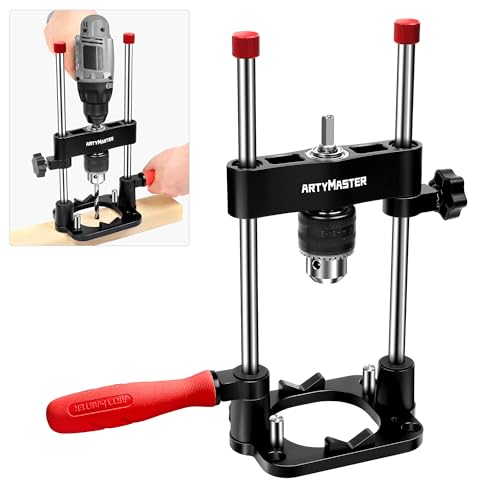
Portable Drill Guide for Straight Holes, Heavy-Duty Drill Press Adapter for Hand Drill 0° to 60° Angle Drilling Guide with Guide Rod, Precision Adjustable Drill Jig Attachment with 1/2" Chuck
$99.99Check Price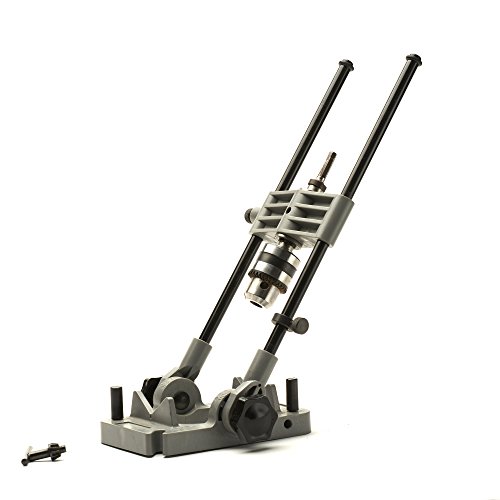
Table of Contents
Types of Drill Presses
First things first: know your options. There are several types of drill presses, each suited to different workloads and shop setups. The most common are floor models, benchtop units, and compact or mini drills. I strongly recommend investing in a solid bench or floor model if your space allows — they’re more stable, more accurate, and built to handle serious use.
Benchtop drill presses are perfect for hobbyists or small workshops. They’re portable, take up less space, and typically have enough power for most hobbyist tasks. Just be sure they’re mounted securely; flimsy tables or wobbly bases turn precision tools into junk fast. Floor models are bigger, more robust, and often feature larger quill travel and motor capacities, making them suitable for larger workpieces and demanding projects. Don't settle for the cheapest model; a well-built drill press—say, from Jet, Powermatic, or Grizzly—is a lifetime investment.
Key Features to Consider
Pay close attention to the key features before laying down cash. Quill travel determines how deep you can drill in one pass; a minimum of 3 inches is a good baseline, but 5 inches is better if you plan on bored mortises or setup changes. Look for a precision rack-and-pinion height adjustment — smoother and more accurate than a basic crank. A tilting table (at least 45°, preferably 90°) is invaluable for angled holes or complex joinery.
Size and Power
The size of the motor and the drill press’s overall capacity matter more than most realize. A ½ HP motor is bare minimum for hobbyists doing light drilling; anything less will struggle with hardwoods or larger pieces. For serious use, go for a ¾ HP or 1 HP machine — they’ll handle tough woods, large bits, and extended use without bogging down.
The size of the column (usually 14-20 inches) affects stability and vibration damping. Heavily built cast iron frames are a sign of quality; they absorb vibrations and give you cleaner, more precise cuts. Avoid flimsy steel or plastic components that flex under load — a flexible frame ruins accuracy and wears out fast.
Accuracy and Alignment
A drill press is only as good as its alignment. Before buying, test the table’s tilt mechanism and lock-downs. The table must tilt smoothly and hold position without wobbling. Wobbly tables and misaligned spindle assemblies are work killers — they cause drilled holes to drift and compromise your joinery. Check for a laser guide or a digital readout if precision drilling is your game; just don’t rely on cheap add-ons.
Align the spindle to the column with a dial indicator or a precise square test at home. If it’s off, it’s an early sign of shoddy construction or poor manufacturing. Good machines keep alignment over years of use — cheap ones will throw your accuracy out of whack after a few months.
Extras and Accessories
Think about the accessories you’ll need. A good drill press should have a sturdy vise, a table extension, and possibly a coolant lubrication setup if you’re doing aggressive drilling or mortising. A pneumatic or magnetic clamping system will keep your workpiece steady and safe. Dust collection ports are a plus, but don’t sacrifice quality for features — a poorly designed dust port won’t save you from grinding the shop to a halt.
Be cautious of plastic gears, weak crank handles, or floppy fences. These are cheap shortcuts that turn a promising tool into a paperweight fast. Quality manufacturers put durability and precision ahead of flashing extras.
Making the Wise Choice
At the end of the day, buy the best you can afford. Look for a reputable brand with parts availability and solid customer reviews. Test the machine in person if possible — see how smooth the operation is, test the tilt and height adjustments, and listen for rattles or unnecessary vibrations. A good drill press will be a core tool in your shop, not a disposable investment.
If the shop’s budget is tight, prioritize quality over bells and whistles. Cheapo Chinese imports might save you a few hundred upfront, but they often turn into frustration and repair bills. Spend now, and you’ll have a dependable work partner for decades.
Frequently Asked Questions
What size drill press do I need for general woodworking?
A 15-inch model with at least a ½ HP motor and 4-5 inches of quill travel is versatile enough for most woodworking tasks, including hinge boring, doweling, and small mortises.
Is a variable speed drill press worth the extra expense?
Absolutely. Variable speed allows you to match RPMs to your bit size and material, reducing burning and tear-out. It’s a feature that pays for itself in cleaner holes and less frustration.
Should I go for a benchtop or floor model?
If space allows, a floor model offers more stability and capacity. Benchtops are fine for small projects but can wobble if not secured properly. Choose based on your shop layout and workload.
What’s the most common mistake when choosing a drill press?
Many buyers focus only on horsepower or price. The real key is build quality and alignment. A cheap machine with high specs is pointless if it wobbles or drifts off course.
How can I maintain my drill press for long life?
Regularly clean and lubricate moving parts, check alignment, and tighten any loose bolts. Avoid forcing bits; use proper feed rates. And buy shims or replacement brushes from reputable sources when needed.
In summary, don’t settle for less when it comes to a tool you’ll rely on every week. Pick a drill press built with precision, stability, and durability in mind. Your projects deserve it, and your shop will thank you for it.
Next step: go visit reputable dealers, test machines in person, and don’t be afraid to pay for quality. Your future projects will be all the better for it.


